An in-depth look at the torture practices of the United States in Afghanistan, Iraq and Guantanamo Bay, focusing on an innocent taxi driver in Afghanistan who was tortured and killed in 2002.
| Tagline | In 2002, a young cab driver picked up a few passengers near his home in Afghanistan... He never returned |
| Release Date: | Jan 18, 2008 |
| Genres: | Documentary |
| Production Company: | Wider Film Projects, Jigsaw Productions |
| Production Countries: | United States of America |
| Casts: | Alex Gibney, Brian Keith Allen, Moazzam Begg, Christopher Beiring, Carl Levin, Jack Reed |
| Status: | Released |
| Budget: | $1000000 |
| Revenue: | 274661 |
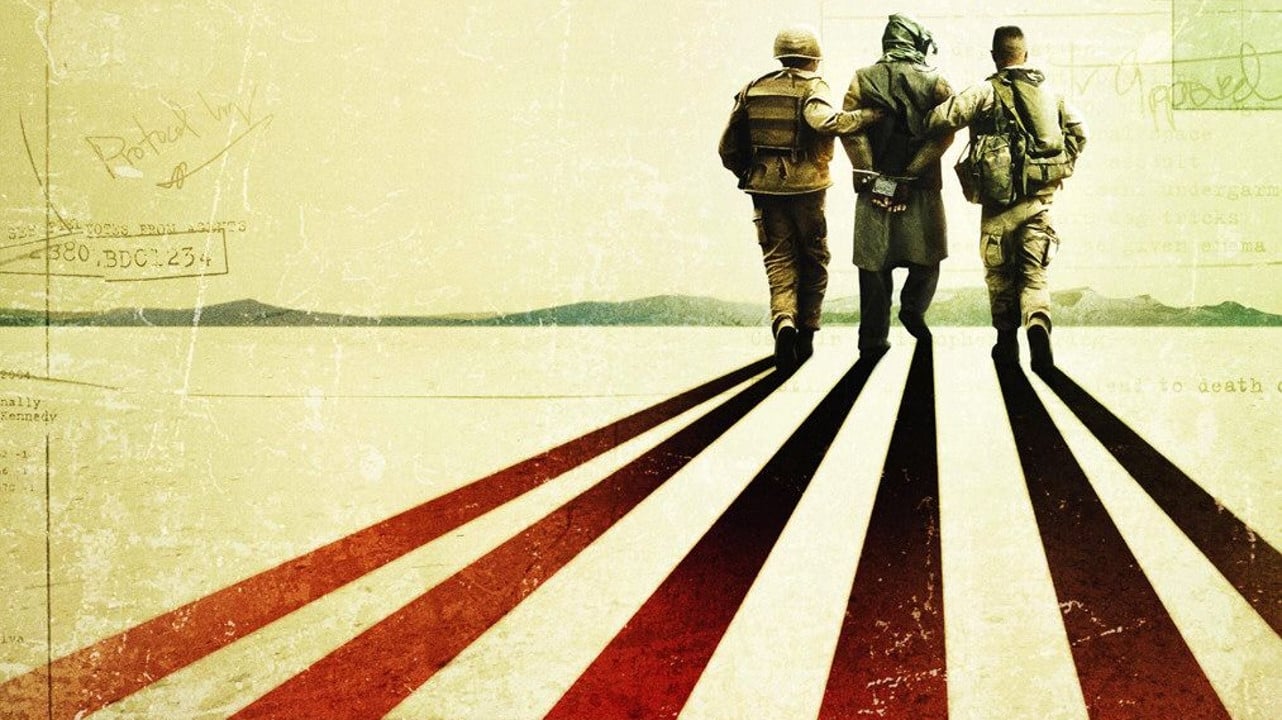
Although this is ostensibly about the death in custody of a taxi driver; it actually pans out to provide for a savage critique on the policy of the George W. Bush administration towards those incarcerated under military jurisdiction following the atrocities of 9/11. Using a fairly extensive array of archive footage and pretty condemnatory photography, this interviews many of those victims and their legal representatives who fought to get a fair trial for clients whom the US Government denied any sort of legal status and thereby representation. It attempts to scrutinise this (semi)official but hardline position taken, though not using any direct contributions made especially for this film, by quoting Defense Secretary Donald Rumsfeld, VP Dick Cheney and the President himself as they played a game of roulette with the lives of the prisoners, the Geneva Convention, the US Congress and even their own Supreme Court as they to continued to detain, humiliate, torture and even murder Afghani (and other) citizens whom may or, more likely, may not have had information relating to the Taliban or Al Queda. The graphic imagery of the beastial treatment of the men under their charge comes across as sometimes almost like the photographers are taking trophies for themselves. They appear to be celebrating the degradation of these terrified and usually naked human beings whilst their superiors at Bagram, Guantanamo or in Washington left them with vaguely defined orders that left many of the soldiers - who believed that they were obeying orders and doing their duty to their country - exposed to war crimes proceedings whilst their bosses donned their teflon suits. This presents us with a very clear indictment of the abuse of executive authority, especially when underpinned by a feeling of fear and anxiety from a populace that might have been a little ripe for the manipulation after the attack on the Twin Towers. It asks questions for us, too. What might we consider legitimate if our own family had been a victim? Might we all take something of a more vigilante attitude if we were being more personally affected? Might we all be capable of suspending the rule of law, even of habeus corpus, if we felt our own survival was on the line? This isn't meant to be a debating documentary, and the fact that none of the antagonists here gave any form of rebuttle to the accusations or motivations the film demonstrates is a shame as it would have been interesting to have heard more from the politicians and from the soldiers who engaged in these ghastly activities - some doubtlessly more enthusiastically than others, to establish more about what choices they may or may not have had when it came to carrying out some frankly dehumanising commands. Are democracy and the rule of law simply a veneer when the executive chooses to disregard it, and if the public don't know what is being carried out in their name, what can we do about it?

